Pig Butchering: The Scam That Earns Your Trust Before It Takes Everything
Scammers call this approach "pig butchering," borrowing from an agricultural practice: fattening the pig before the slaughter.

Scammers call this approach "pig butchering," borrowing from an agricultural practice: fattening the pig before the slaughter.

Most people still think of scams as something that happens inside email. A suspicious message arrives, and you look it over and either delete it or move on. That way of thinking no longer aligns with how most scams actually work.

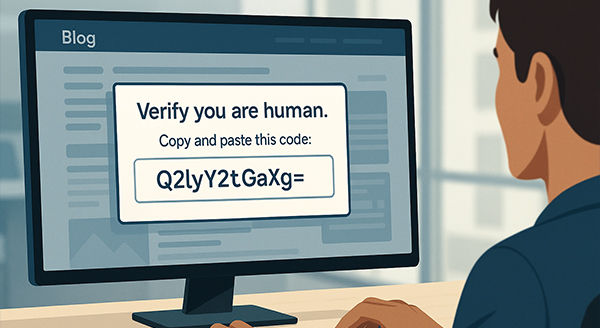
The problem is that scammers have adapted. They have taken an old attack and reshaped it into something that blends into habits we barely think about, such as passing a CAPTCHA or completing a two-factor step.

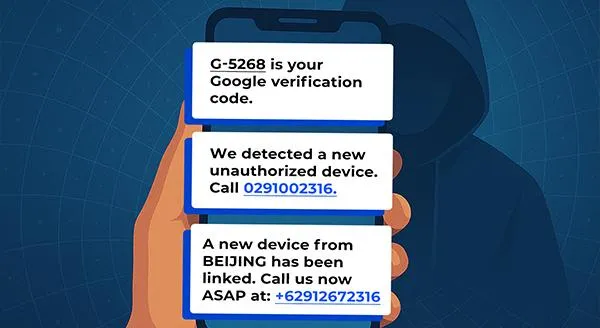
It usually starts with a text that looks completely legitimate, as if Google sent it themselves. It often sounds urgent, with messages such as: "We detected a new device syncing with your Google Authenticator account. If this wasn't you, call [number]."